
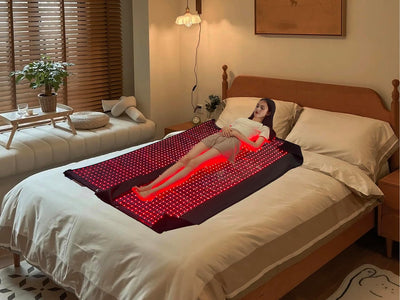
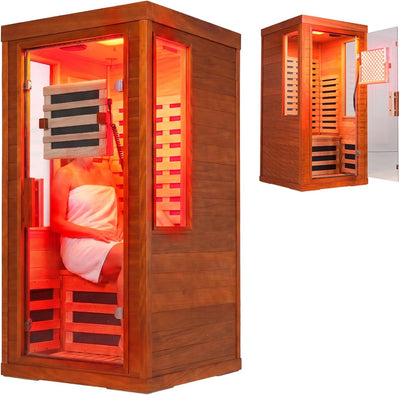
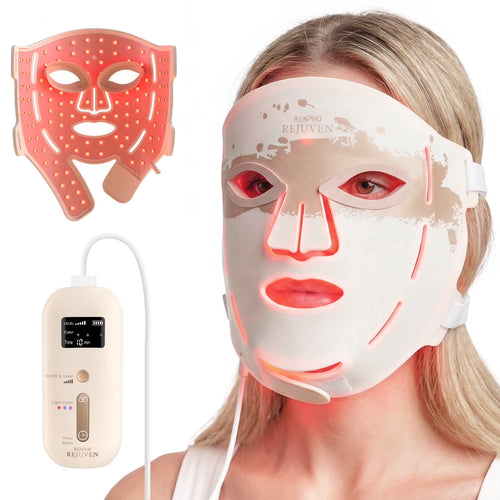
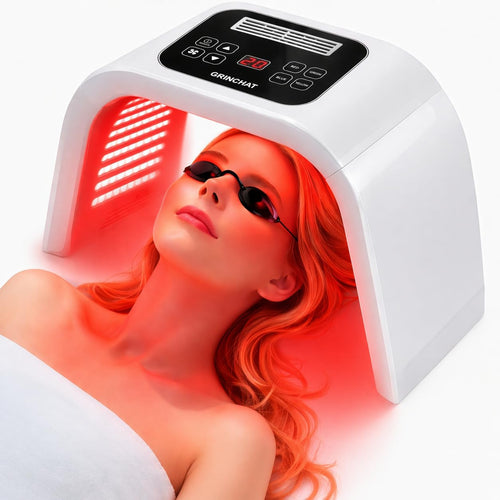
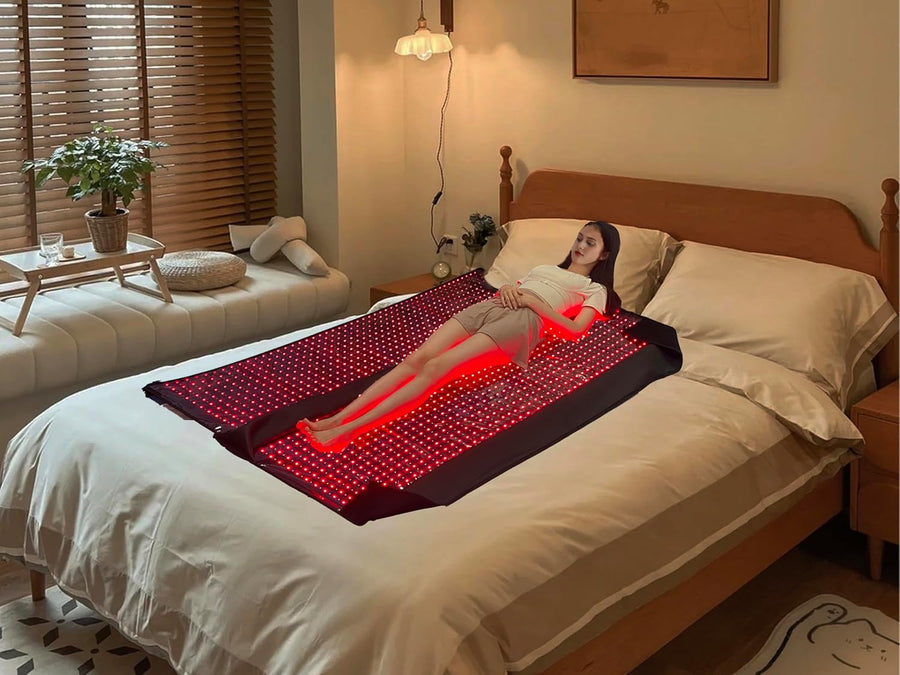
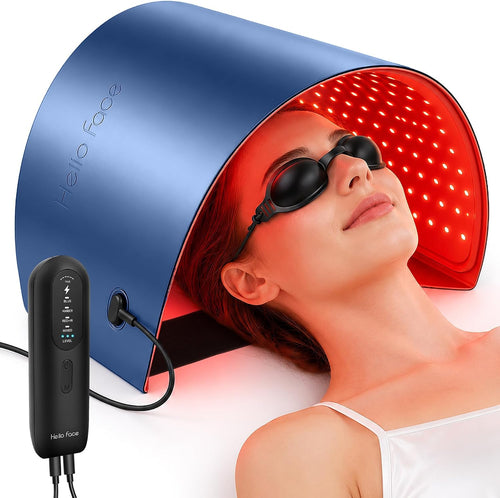
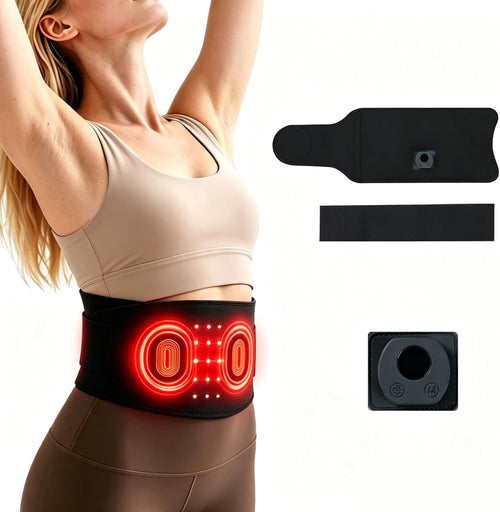
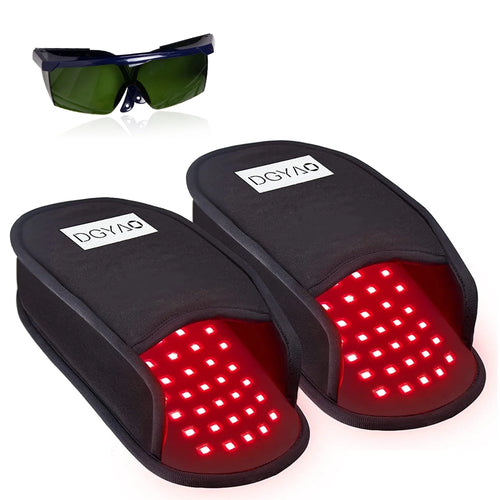




Red light therapy uses specific wavelengths of light to stimulate cellular function through photobiomodulation — a process where light energy is absorbed by mitochondria, potentially supporting ATP production and tissue repair.
660nm (red visible light) is absorbed primarily in the first few millimetres of tissue. It is well-suited for skin health, surface inflammation, and conditions where the target tissue is relatively superficial.
850nm (near-infrared) penetrates deeper — through skin and into muscle and joint tissue. This makes it the preferred wavelength for recovery applications targeting deeper structures.
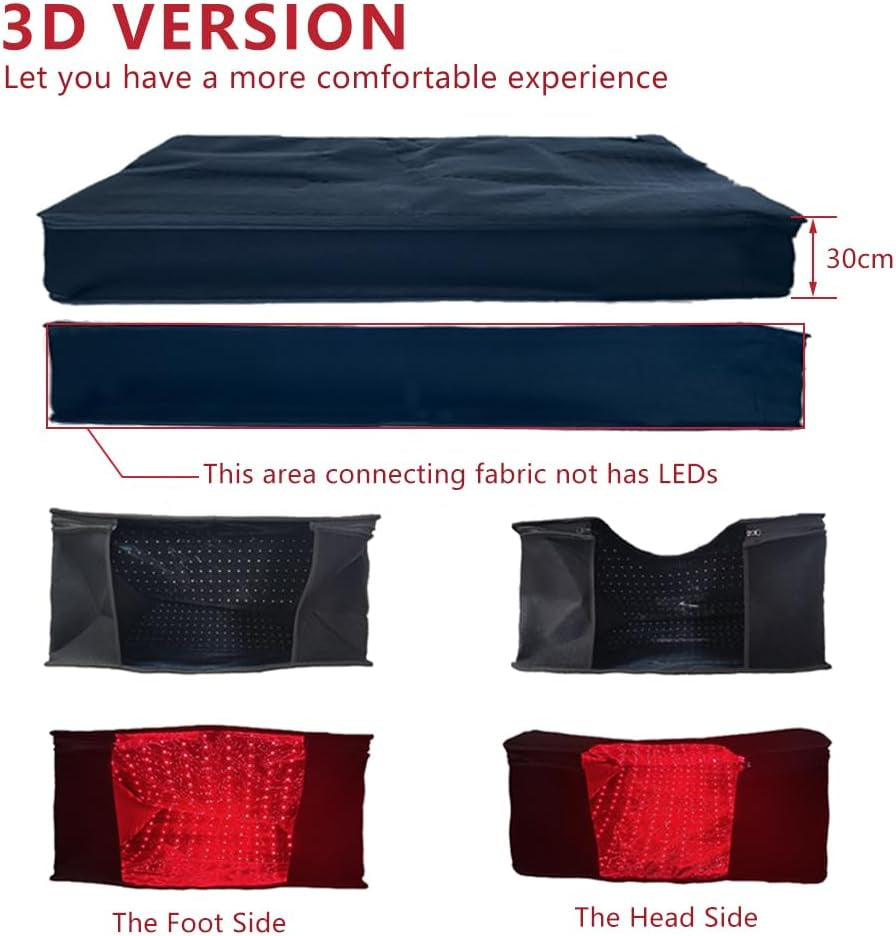
Most clinical panels combine both wavelengths for a reason: surface and depth coverage together. Distance from the panel, session duration, and irradiance (power density) matter as much as wavelength selection. A 10-minute session at the correct distance typically outperforms a 30-minute session at the wrong one.

