


High performers often sleep worse not despite their discipline, but because of it. Elevated evening cortisol, late cognitive arousal, and the habit of "one more email" keep the nervous system in a sympathetic state long after the laptop closes.
Blue light from screens suppresses melatonin production — but the bigger issue is cognitive load. Scrolling feels passive; neurologically it is stimulation. The brain cannot distinguish between processing a work crisis and processing a news feed.
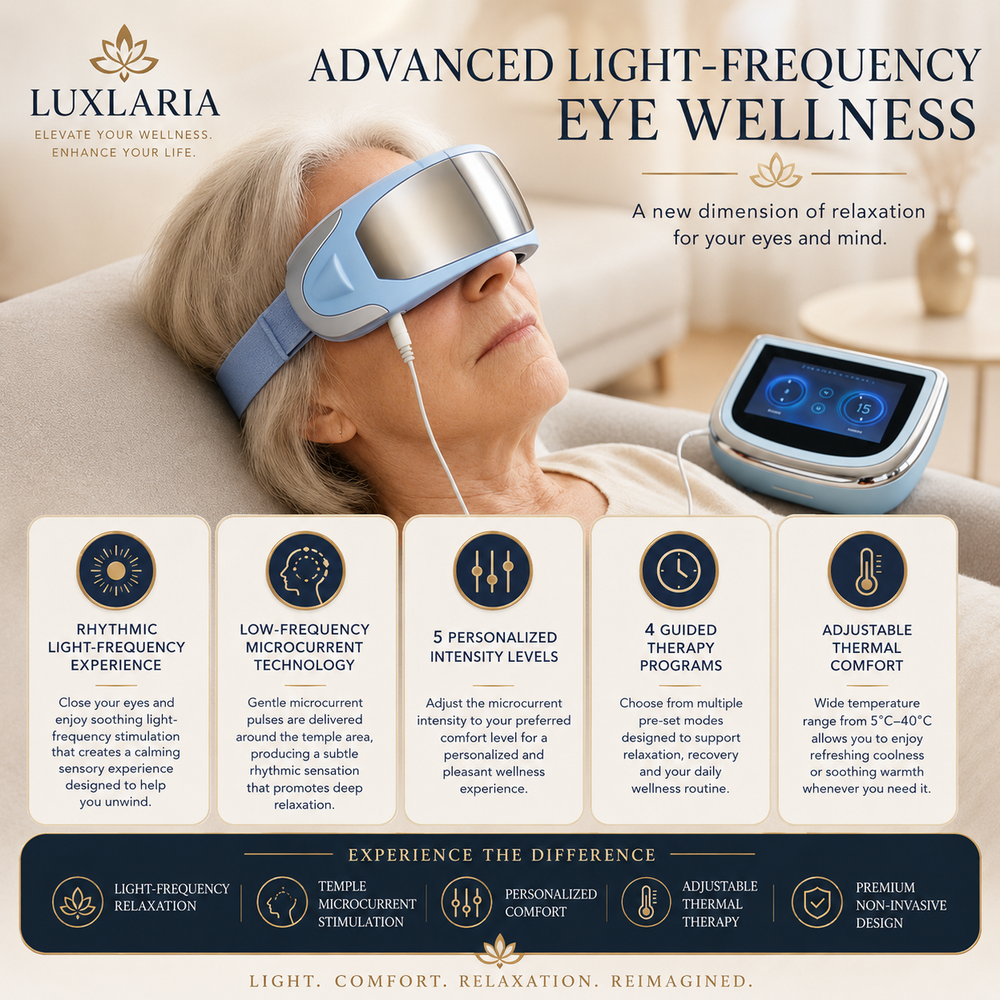
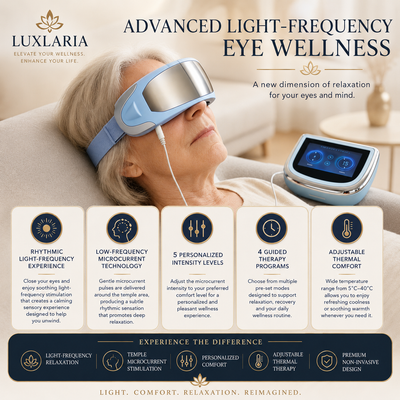
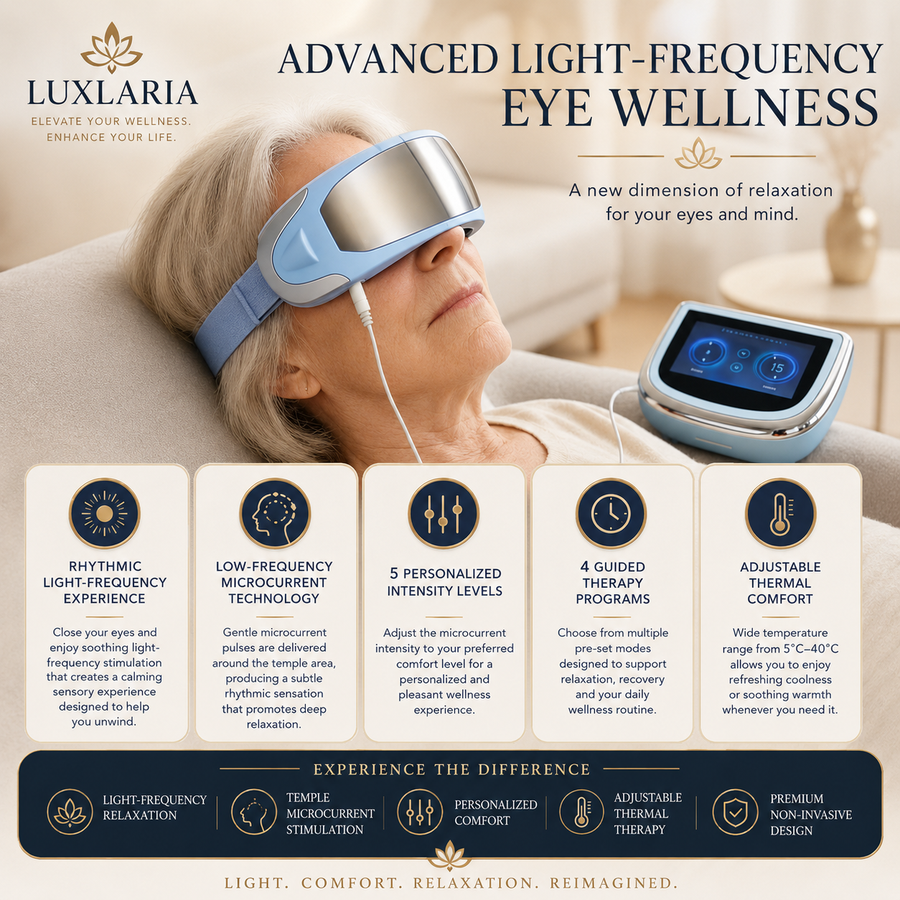
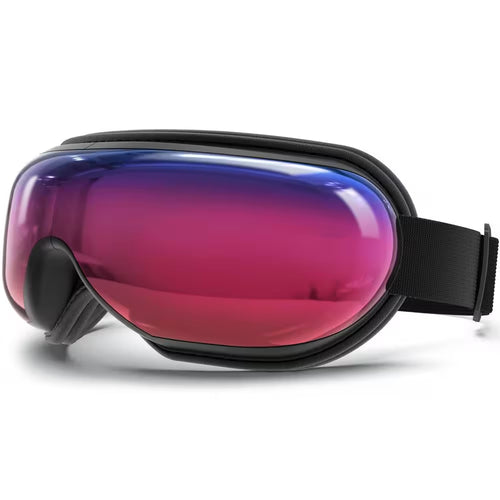
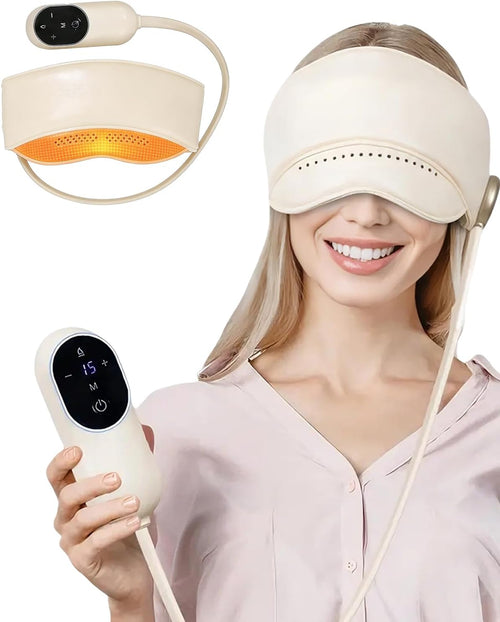
Our advisory board recommends a structured 15-minute transition ritual: reduce light exposure, apply gentle orbital warmth, and allow the visual system to fully disengage from near-focus tasks. Devices that combine heat with guided audio outperform passive rest alone in user-reported sleep onset trials.
The fix is not sleeping more hours — it is protecting the boundary between work mode and recovery mode with the same intention you bring to training or nutrition.


