


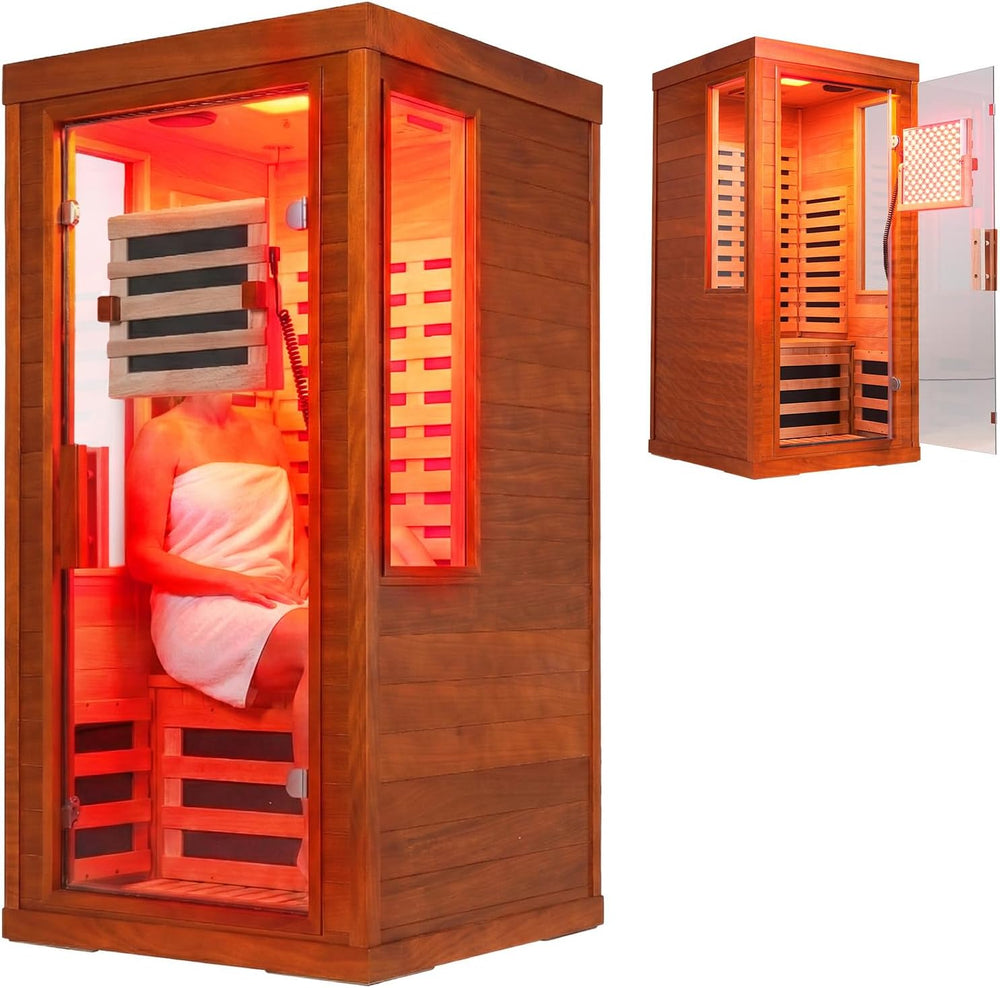



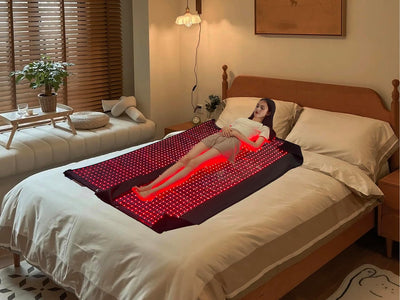

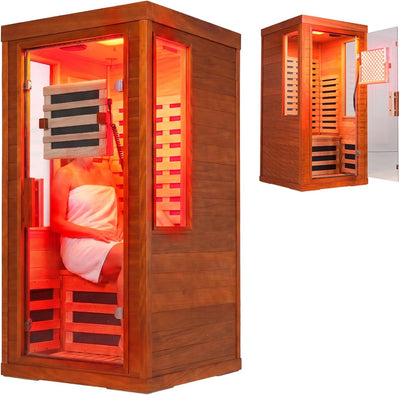




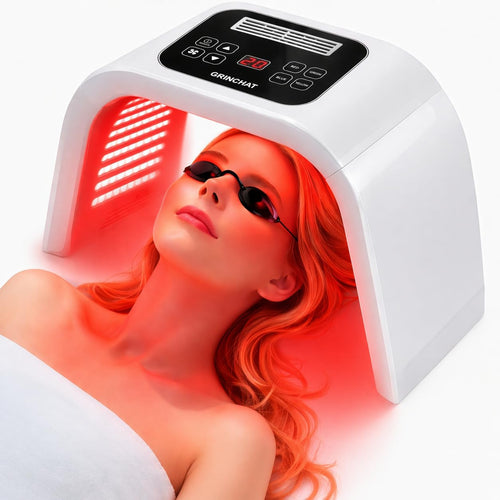



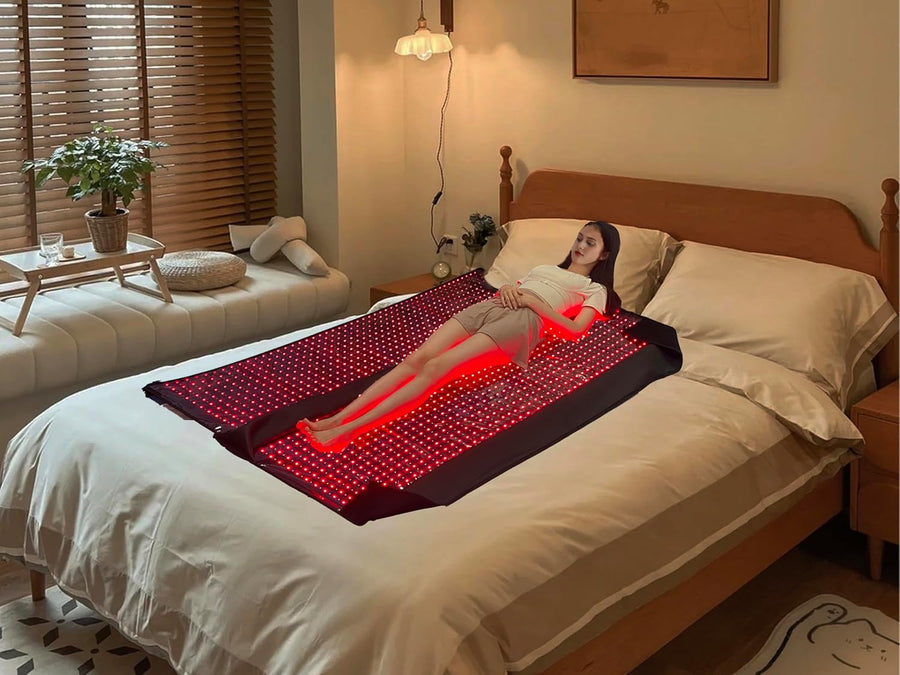


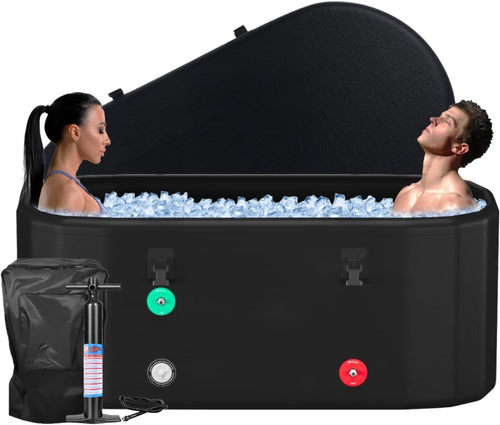
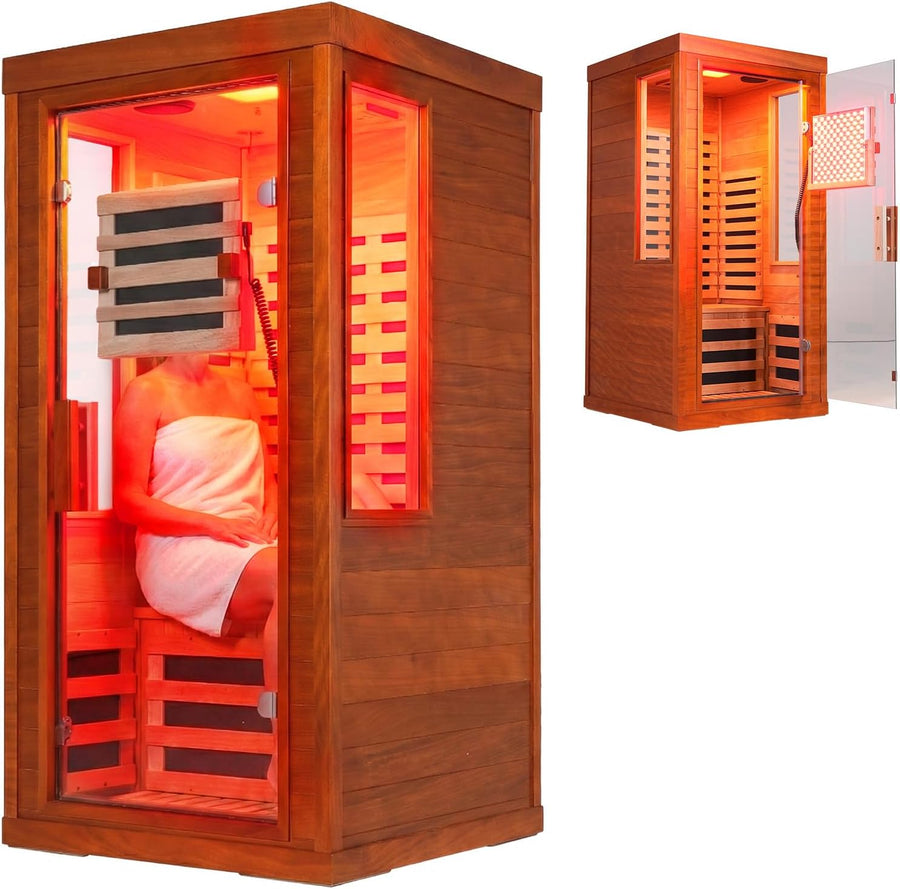
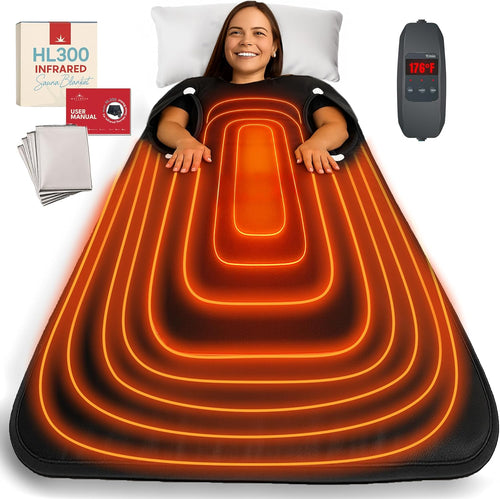
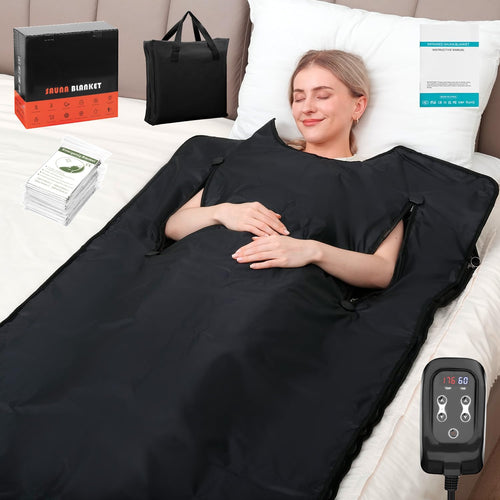







Traditional Finnish saunas heat the air to 80–100°C, warming the body through convection. Infrared saunas use radiant heat at lower ambient temperatures (45–60°C), penetrating tissue directly.
Both modalities increase core body temperature, heart rate, and sweating — the cardiovascular response is remarkably similar despite the different mechanisms. Large epidemiological studies link regular sauna use (4+ sessions per week) with improved cardiovascular outcomes, though causation remains difficult to isolate.
Infrared may be more tolerable for heat-sensitive individuals or those new to heat therapy. Traditional saunas may produce a more intense cardiovascular stimulus per session. For most users, consistency matters more than modality.
Session length of 15–20 minutes, followed by cool-down and hydration, represents the standard protocol across both types.

